





15 December 2025
Rethinking Architecture for a Carbon-Neutral Future: LWK + PARTNERS’ Journey Towards Low-Carbon Design
As climate change accelerates and the continuous expansion of urban areas persists, the built environment has emerged as both a major source of carbon emissions and a critical instrument for mitigating them. According to reports on energy consumption in the building sector of Hong Kong, buildings account for more than half of the city’s total carbon emissions when considered alongside industry and transport. In light of Hong Kong’s commitment to reduce carbon emissions by 50% from 2005 levels by 2035 and achieve carbon neutrality by 2050, the architecture and construction industries are confronted with an unprecedented challenge: how can we design, construct, and operate buildings that not only reduce their environmental footprint but also make active contributions to a sustainable future?
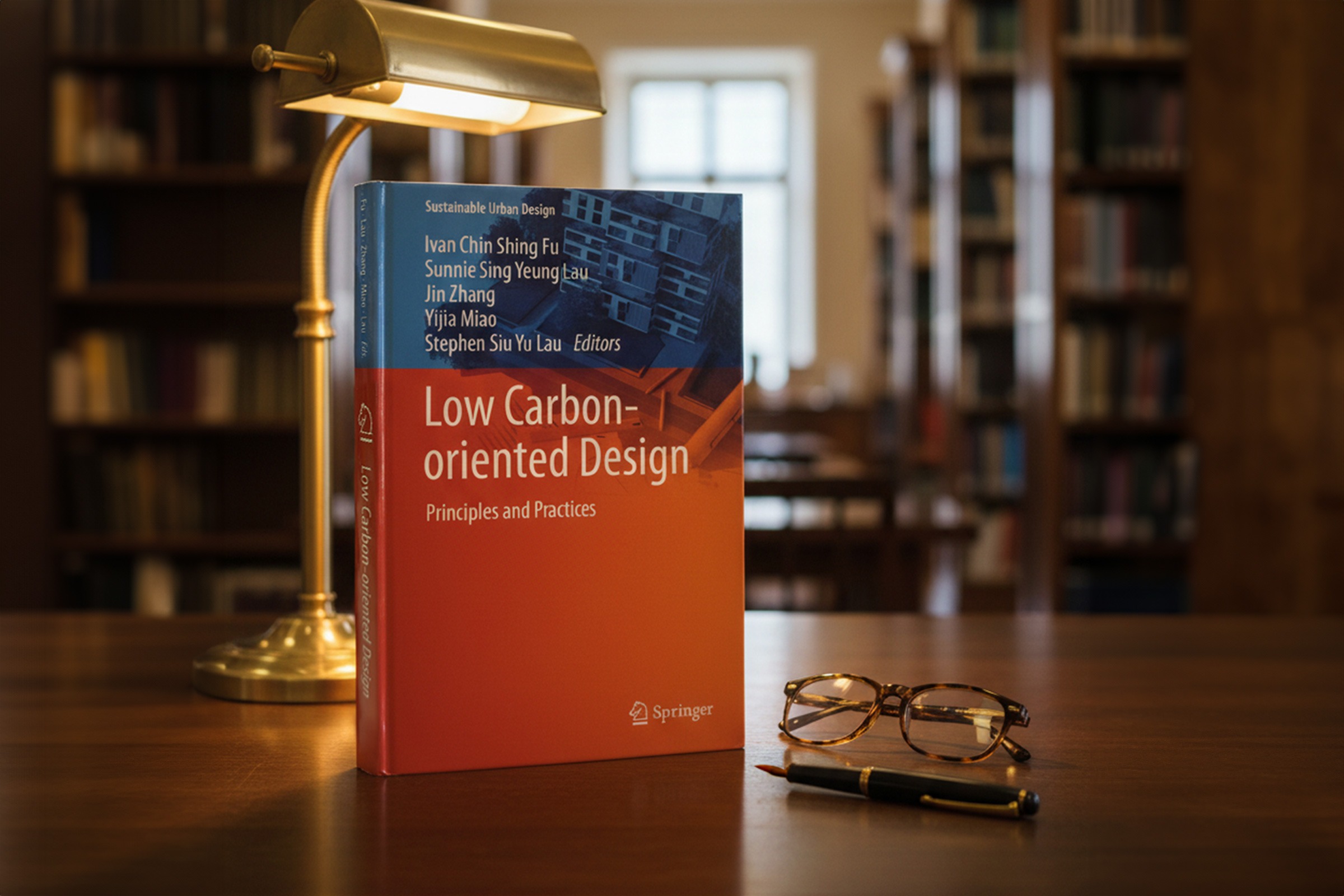
LWK + PARTNERS has been wrestling with these questions for years, developing projects across Chinese remarkably diverse climate zones. LWK + PARTNERS come to understand that genuine sustainability cannot be achieved through isolated strategies or one-size-fits-all solutions,it requires a comprehensive, systematic approach. This understanding has culminated in a significant milestone for the practice: the publication of “Low Carbon-oriented Design.” This Book, developed through collaboration with leading academics and practitioners, offers a systematic framework for evaluating low-carbon building design across Chinese diverse climatic and urban contexts.
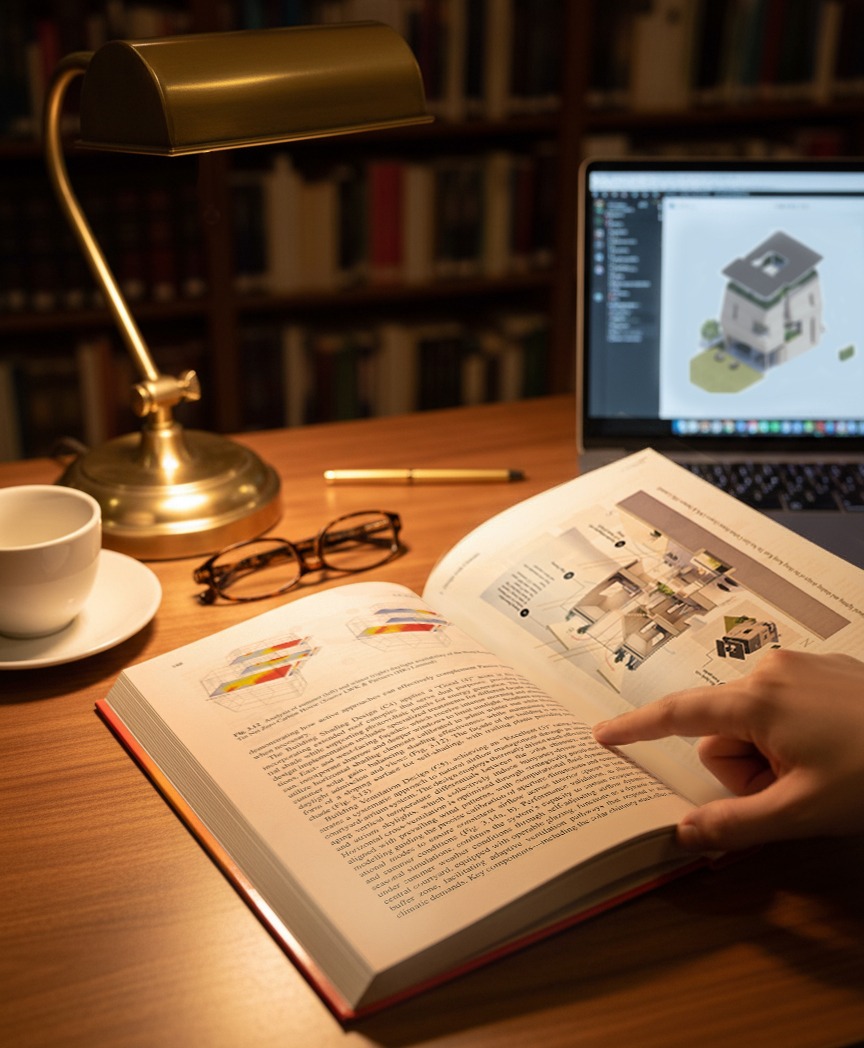
At its core, the Book revolves around four interconnected themes that structure an approach to sustainable design. “Design with Nature” explores the fundamental relationship between natural elements and architectural form, emphasising the use of sustainable materials and construction methodologies such as Design for Manufacture and Assembly. “Design with Renewable Energy” examines how buildings can harness solar, wind, and other renewable sources to offset their energy consumption. “Design with Climate” focuses on passive and active strategies that respond intelligently to local environmental conditions, reducing reliance on mechanical systems. Finally, “Design with Human” places occupant wellbeing and post-occupancy evaluation at the centre of sustainable design thinking, recognising that technical performance means little if buildings fail to serve their inhabitants effectively.
The evaluation framework, which was conducted through systematic expert consultations, bringing together architects, engineers, sustainability consultants, and researchers to build consensus on weightings and evaluation criteria. More than half of the expert panel had over twenty years of experience, with extensive experience in Southern Chinese climate zones, particularly the Hot Summer-Warm Winter and Hot Summer-Cold Winter regions. The foundation in southern contexts—where cooling demands dominate and natural ventilation, daylighting, and shading play critical roles.
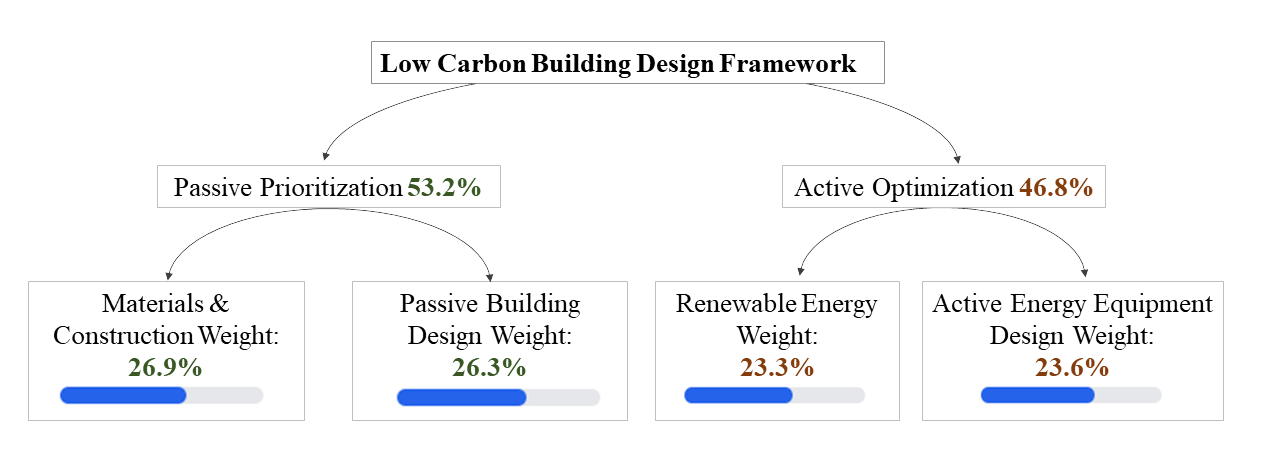
The first, “Passive Prioritisation,” carries a weighting of 53.2% in the assessment system—a figure derived through the Delphi method and Analytic Hierarchy Process. This emphasis reflects a conviction that LWK + PARTNERS has championed throughout its sustainability journey: passive strategies, when properly implemented, typically deliver superior long-term performance and cost-effectiveness across a building’s operational lifecycle. Following with the second principle, “Active Optimisation,” weighted at 46.8%. Rather than viewing active systems—mechanical equipment, renewable energy generation, intelligent building controls—as fallback options when passive strategies prove insufficient, the framework positions them as intelligent enhancements that amplify and extend passive performance. The insight lies in ensuring these systems work synergistically, with active technology complementing rather than replacing the passive foundation. Underpinning both these principles is the third core commitment: “Human-oriented Design”— which needs to adequately consider the people who will inhabit and use these buildings. User feedback, and attention to comfort, health, and satisfaction are not optional additions to sustainable design—they constitute essential components that determine whether a building’s environmental performance can be sustained over time.
The Book presents 11 case studies spanning Chinese diverse climate zones, from severe cold regions to subtropical environments, covering a range of building typologies and urban contexts. Amongst these, LWK + PARTNERS contributed 4 projects that illustrate different aspects of the sustainable design spectrum.
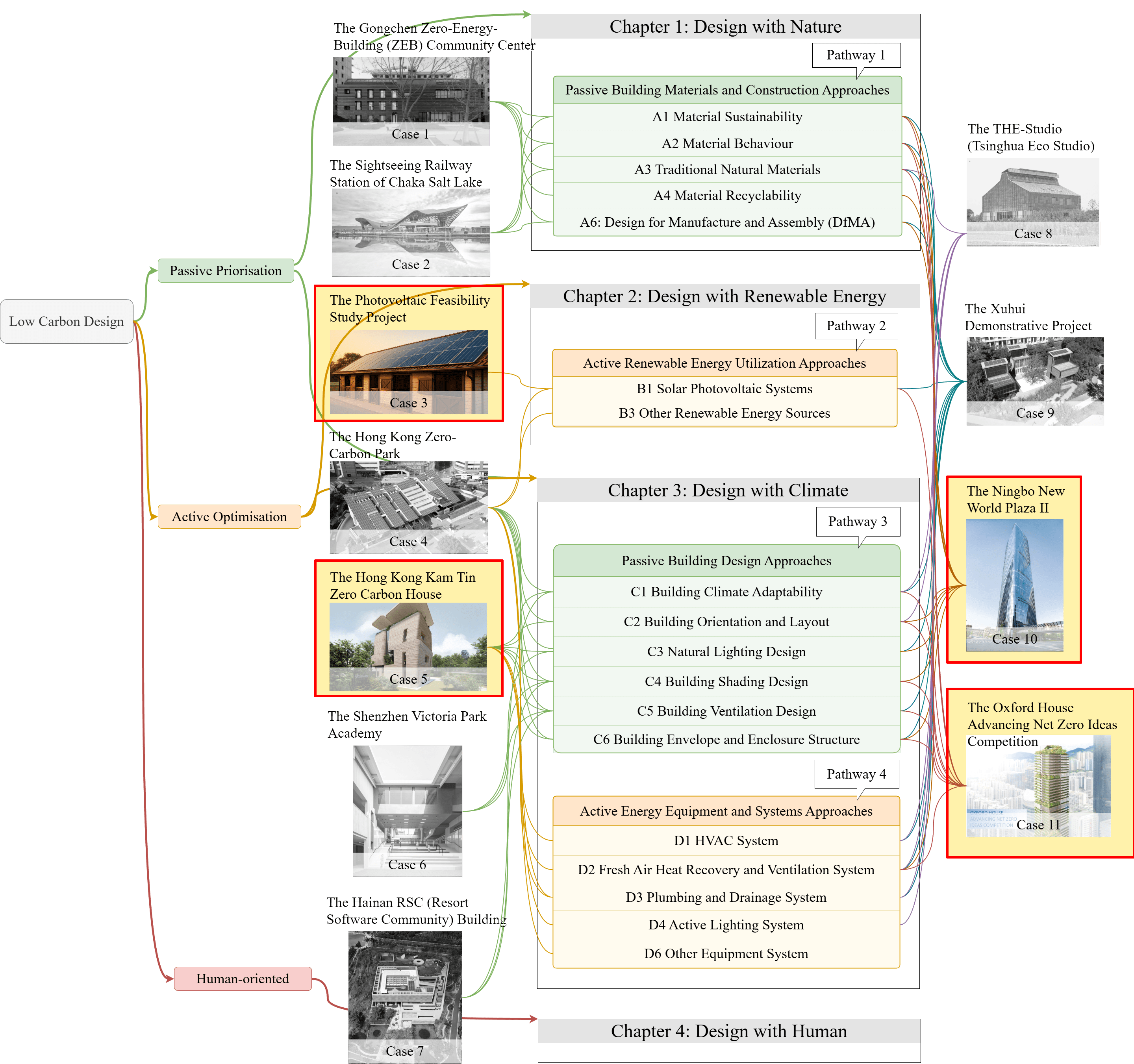
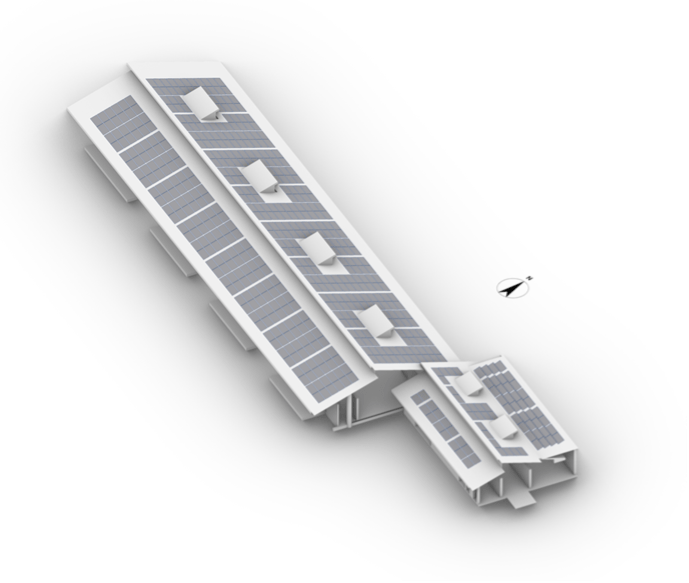
The Photovoltaic Feasibility Study Project demonstrates how large-scale recreational facilities within subtropical climates can integrate comprehensive solar energy systems whilst maintaining architectural coherence. The significance of the project lies not merely in the quantity of renewable energy generated but in how photovoltaic technology has been woven into the building’s design language the influencing form, orientation, and material selection. The research undertaken for this project on the real-world performance of building-integrated photovoltaics in a challenging climate of southern China, characterised by high humidity, intense solar radiation, and seasonal monsoons.
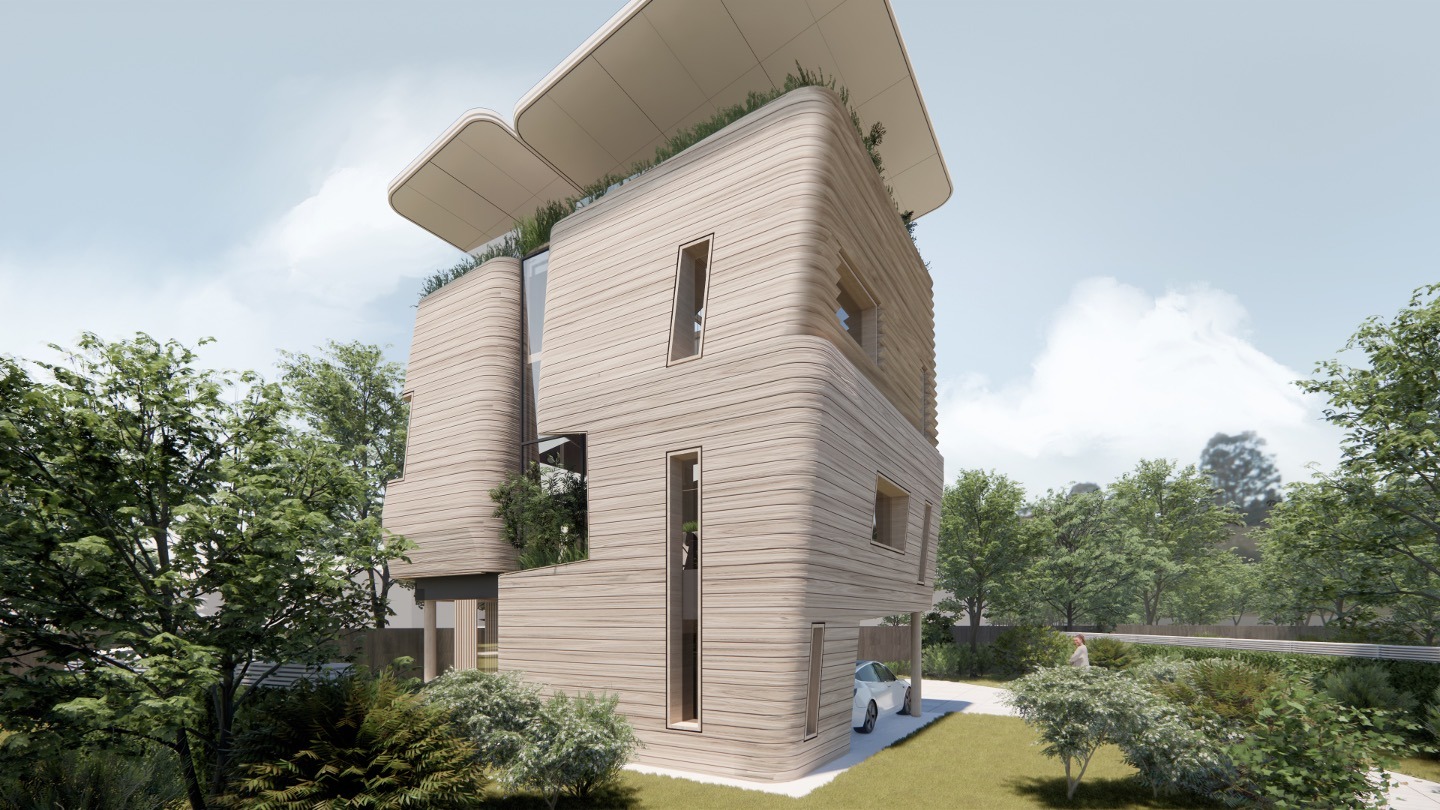
The Hong Kong Kam Tin Zero-Carbon House represents a different paradigm entirely, showcasing how residential architecture can achieve carbon neutrality primarily through intelligent environmental response rather than technological intervention. The natural ventilation system combines courtyard effects, stack ventilation, and cross-ventilation principles to create comfortable interior conditions throughout Hong Kong humid subtropical climate with minimal mechanical assistance. Its high-performance cross-laminated timber envelope demonstrates how engineered timber products can deliver exceptional thermal performance whilst sequestering carbon. This project proves that zero-carbon residential design need not sacrifice comfort or aesthetic quality—indeed, the orchestration of passive strategies often yields spaces with superior environmental character compared to mechanically dominated alternatives.
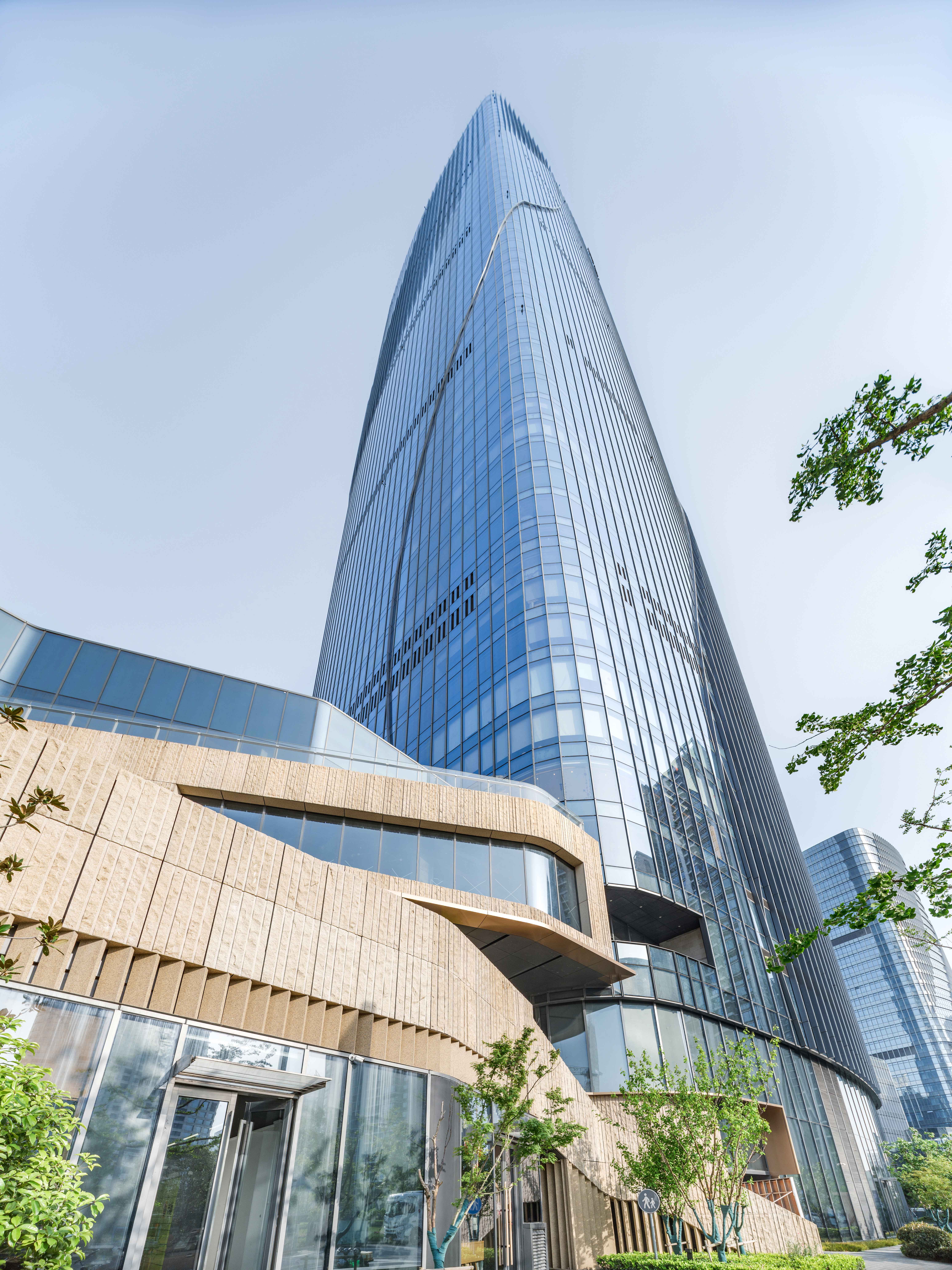
The Ningbo New World Plaza II project tackles a considerably different challenge: achieving sustainability within a dense urban context and high-rise commercial typology. As the first project in Ningbo to secure both LEED Gold and WELL Gold certification, it demonstrates that the integration of passive and active strategies can deliver outstanding environmental performance even within significant constraints. The success required the implement of multiple systems—from its optimised building envelope and intelligent shading devices to its advanced HVAC controls and renewable energy integration. The Building Information Modelling approach employed throughout design and construction exemplifies how digital tools can facilitate the coordination essential for high-performance sustainable buildings.
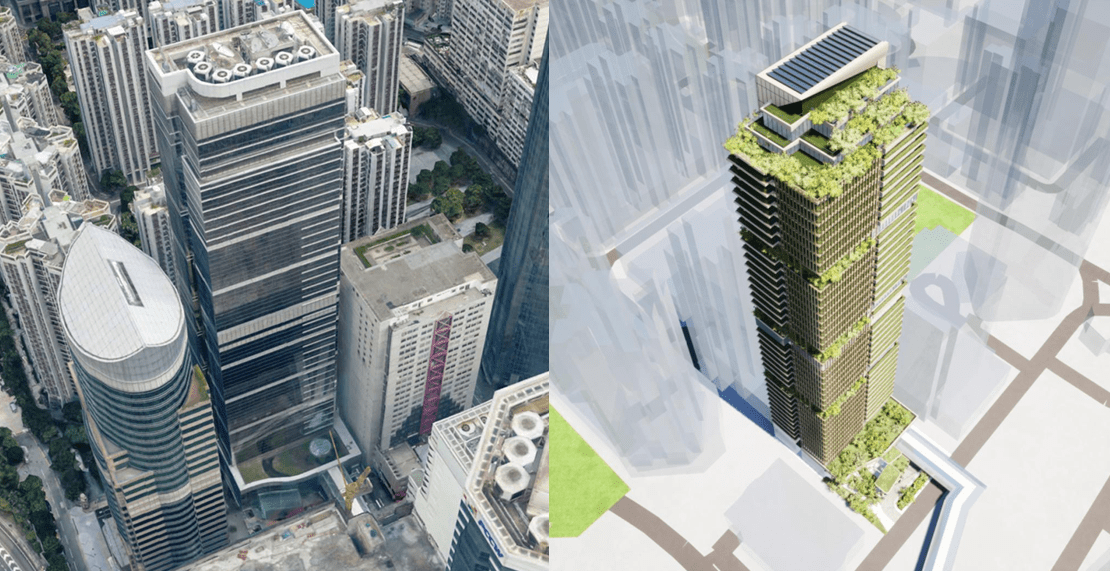
The Oxford House Advancing Net Zero Ideas Competition proposal explores how existing tropical high-rise buildings might be retrofitted to meet net-zero standards—a challenge that will become increasingly relevant as the world grapples with its legacy building stock. The setback facade repurposes existing floor slabs as self-shading devices, demonstrating how architectural creativity can transform constraints into opportunities. Its double-skin system, comprising reused low-E glazing as the inner layer and vegetation-clad high-transmittance outer glazing, creates a thermally buffered cavity with multiple airflow modes. This approach, combined with extensive vertical greenery, reconceptualises the tropical high-rise envelope as a dynamic ecological interface that balances occupant comfort, energy austerity, and urban ecological resilience.
LWK + PARTNERS views this publication as a contribution to an ongoing conversation about how architecture can respond to climate change. The frameworks and methodologies presented will continue to evolve as technologies advance, understanding deepens, and new challenges emerge. However, the fundamental principles—“Passive Prioritisation,”“Active Optimisation,” and “Human-oriented Design”—remain enduring guideposts for the profession.
“Low Carbon-oriented Design” is now available from Springer Nature.
Editors: Ivan Chin Shing FU, Sunnie Sing Yeung LAU, Jin ZHANG, Yijia MIAO, Stephen Siu Yu LAU
Access: https://link.springer.com/book/10.1007/978-981-96-6739-0
Research conducted by: LWK + PARTNERS Research Team